
3 hr
Roseau Whale & Dolphin Watching Expedition
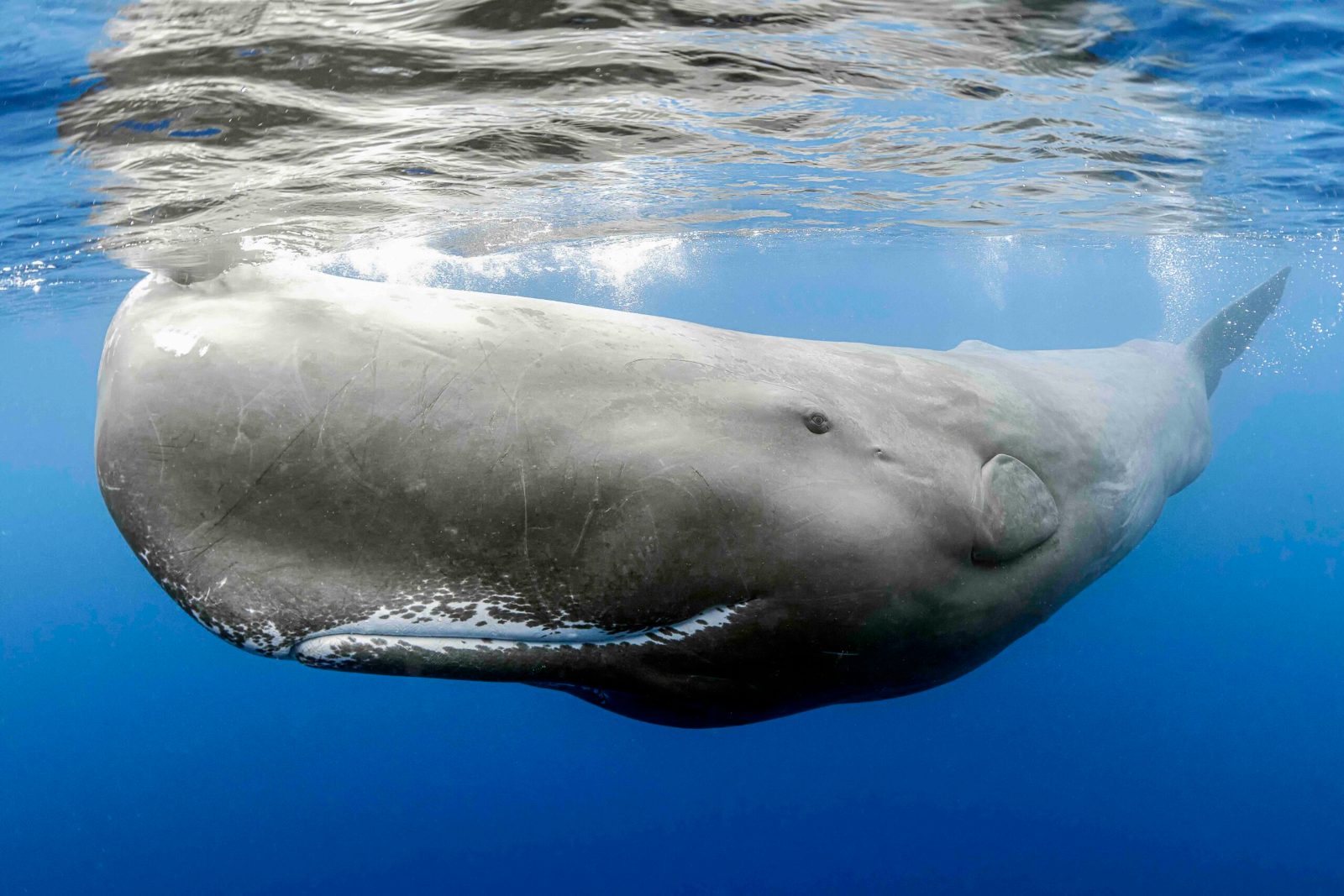
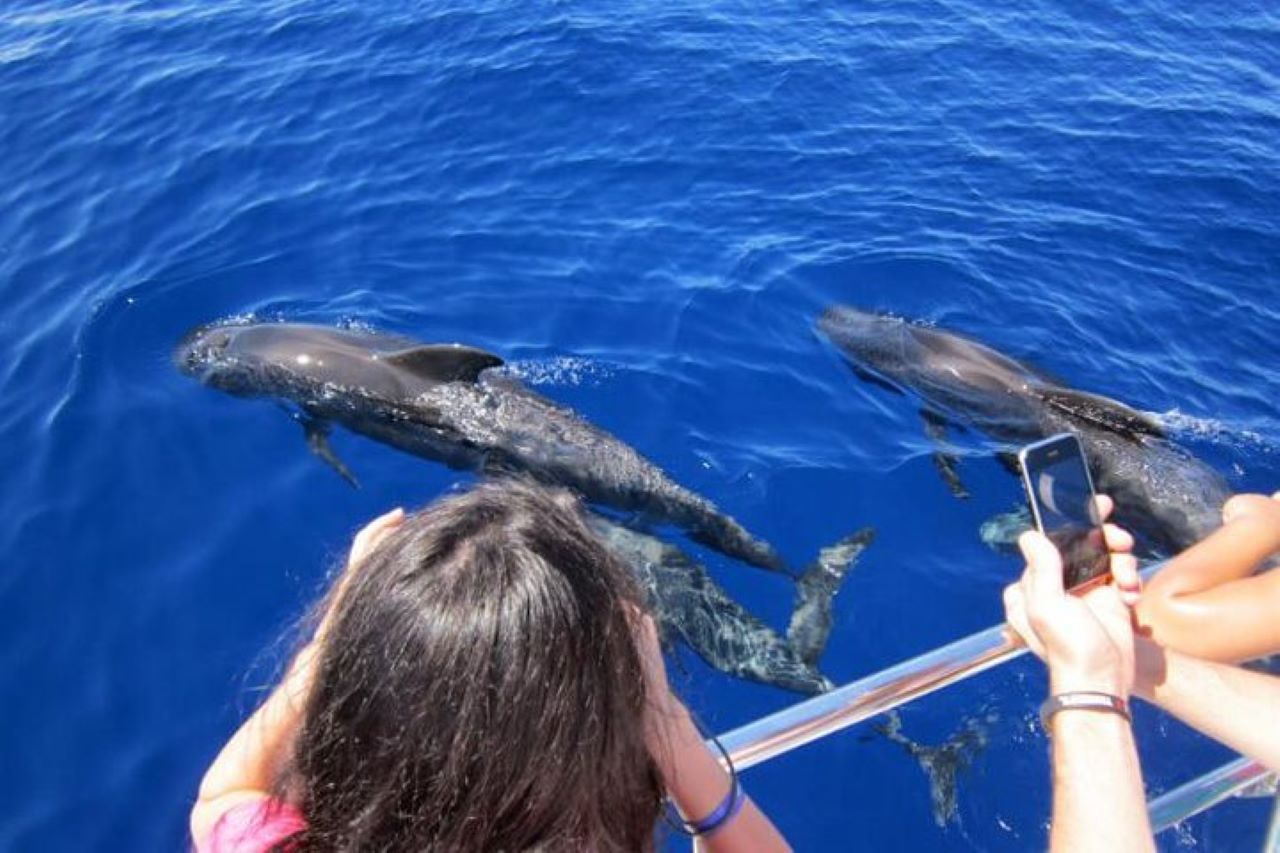
Three-hour marine safari to encounter resident sperm whales, pilots, and dolphins in Caribbean waters.
Reserve
The Caribbean's only permanent sperm whale sanctuary, thirty minutes from shore
Hand-picked by our editors — only the 5 best marine expeditions from 12 reviewed
Verified partners for every tour, free cancellation where available, and instant confirmation on every booking.
3 hr
Three-hour marine safari to encounter resident sperm whales, pilots, and dolphins in Caribbean waters.
Reserve
6 hr
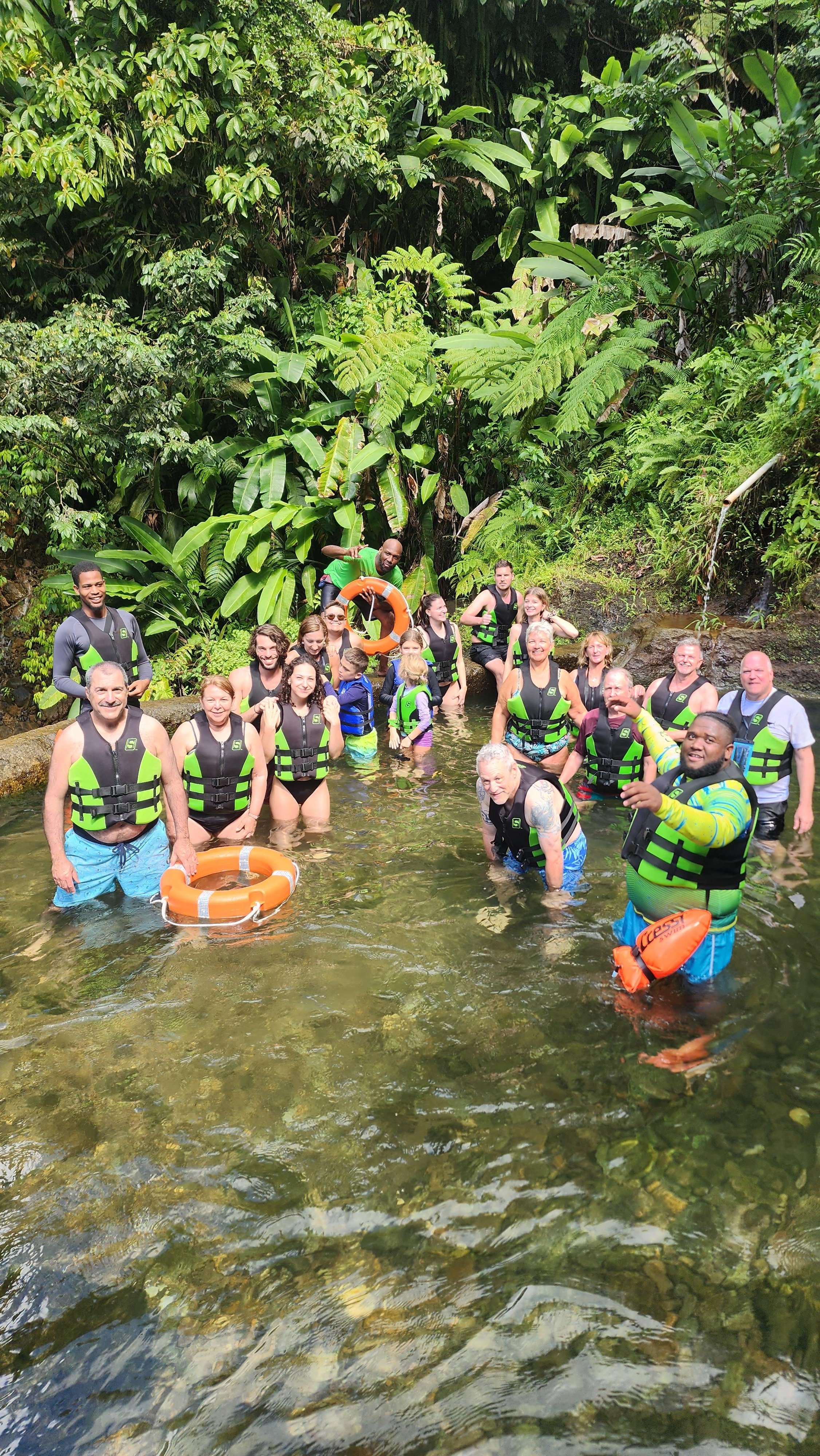
Six-hour island circuit combining volcanic reef snorkeling, gorge swimming, twin waterfalls, and hot spring soaks
Reserve
3 hr 30 min
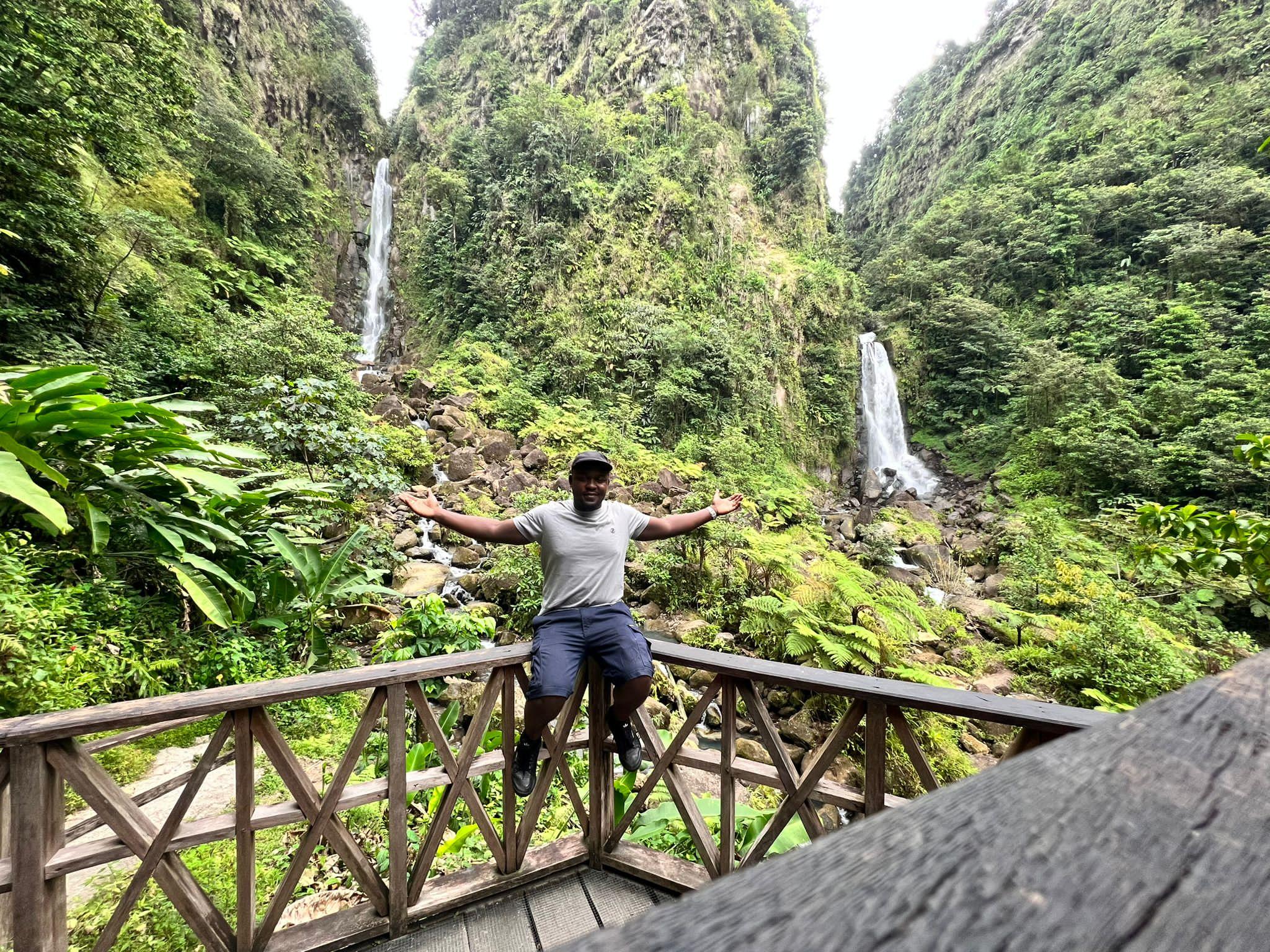
Wade through a jungle canyon to a hidden waterfall and hike to Dominica's iconic twin cascades
ReservePrices from verified partners. Availability updates in real time at checkout. Free cancellation policies apply where shown.
The landmarks, rooms, and views travelers on this tour remember — all visible on a single visit.
Dominica is the only country where sperm whales reside year-round, allowing for high sighting rates throughout the seasons.
These activities complement each other; most visitors who do both call the marine mammal encounters more awe-inspiring while identifying the geological swimming experience as the more physically engaging choice. Choosing the right dominica sperm whale watching tour requires weighing calm observation against the thrill of immersion.
| Feature | Top pick Sperm Whale Watching | Champagne Reef Snorkeling |
|---|---|---|
Experience Type |
Marine megafauna spotting | Geological reef swimming |
Active vs Passive |
Passive observation | Active participation |
Wildlife Interaction |
Distant cetacean observation | Reef fish and crustacean contact |
Physical Effort |
Minimal exertion | Moderate swimming required |
Best for |
Nature enthusiasts and photographers | Active swimmers and families |
Dominica sperm whale watching tickets |
Available at ferry terminal | Self-guided or boat tour |
| See tickets → |
Verdict: Opt for these dominica sperm whale watching tours if you prioritize observing majestic marine giants, or select the reef if you prefer direct interaction with the island's unique volcanic underwater landscape.
Choose your ticket, select your date, and reserve in under two minutes. Secure checkout handled by our verified partner.
Instant confirmation by email, with a mobile voucher you can save offline. No printing, no queuing at a collection desk.
Arrive at the entrance, show your voucher on your phone, and walk in. Most tickets include priority or skip-the-line access.
Best time to go, insider tips, nearby landmarks, and the cancellation fine print — flip through to skim what matters to you.
How crowds, weather, and events shift across the year.
Peak season with driest weather and calmest seas ideal for sightings.
Small details that turn a good visit into a great one.
High-demand tours should be reserved at least 3 months in advance during peak season.
Non-bookable sights within a short walk — free to visit, easy to pair.
Vibrant local market for spices and crafts.
Flexible, no hidden fees.
Cancellations must be made at least 24 hours prior to the scheduled departure to avoid a 20% trip fee. Failure to provide notice or a no-show results in a 100% charge of the tour cost.
Hand-picked options within walking distance — pick a district for vibe, or a specific hotel for convenience.
Historic waterfront hotel with sea views.
Dominica hosts the Caribbean's only year-round population of sperm whales — a resident community of thirty to forty individuals that never migrates. The island's western coast drops sharply into a 1,200-metre trench less than half a kilometre offshore, creating the deep-water habitat sperm whales require for squid hunting. While northern populations travel thousands of miles between feeding and breeding grounds, Dominica's whales remain in these waters throughout every season, making encounters possible every month of the year. UNESCO recognized the island's marine environment in 2023 by designating a 788-square-kilometre stretch of coastline as the world's first sperm whale reserve, formalizing protections that local operators had practiced voluntarily for two decades. Dominica sperm whale watching developed under strict ethical guidelines established by the Dominica Watersports Association in 1997. Boats are limited to three per sighting, engines must cut off at 100 metres, and in-water encounters — legal only in Dominica and nearby Mauritius — require silent free-diving without fins. Researchers from the Dominica Sperm Whale Project have identified individual whales by the notches and scars on their tail flukes, compiling a photographic census that now spans 19 years. The pods exhibit matrilineal social structures: calves remain with their mothers for up to a decade, and multi-generational family units share babysitting duties during deep dives that can last 45 minutes. Male sperm whales leave these family groups upon reaching adolescence, typically around age ten, and either travel solo or form loose bachelor coalitions. The whales communicate through codas — rhythmic click patterns that function as family dialects. Dominica's resident pods use distinct coda repertoires that differ from those recorded in the Azores or Norway, suggesting cultural transmission across generations. Scientists have documented synchronized breathing, coordinated diving, and physical contact that appears social rather than functional. Expedition vessels from Roseau typically reach the prime sighting zone within 30 minutes, tracking the whales' blow spouts — the angled exhalation that distinguishes sperm whales from other cetaceans — before approaching under the watch of certified guides trained in cetacean behavior. The island's volcanic topography continues underwater, and the same geothermal forces that created Dominica's boiling lakes and sulphur springs maintain the nutrient-rich currents that sustain the squid populations these whales depend on.
"Dominica's whales remain in these waters throughout every season, making encounters possible every month of the year."
While sperm whales are present year-round, the best light and calmest sea conditions occur during the morning and early afternoon, especially between November and March.
Operators will generally reschedule or cancel tours in intense weather to ensure guest safety.
Most excursions last between 3 to 4 hours, providing ample time for offshore exploration.
It is highly recommended to pre-book as boats have limited capacity (often max 8 persons).
Sightings often include spinner dolphins, spotted dolphins, and seasonally, pilot whales.
Swimming with whales requires specific permits and must be arranged through licensed, specialized tour providers in advance.