
English| EUR
Suggested for you
More currencies
Choose a language
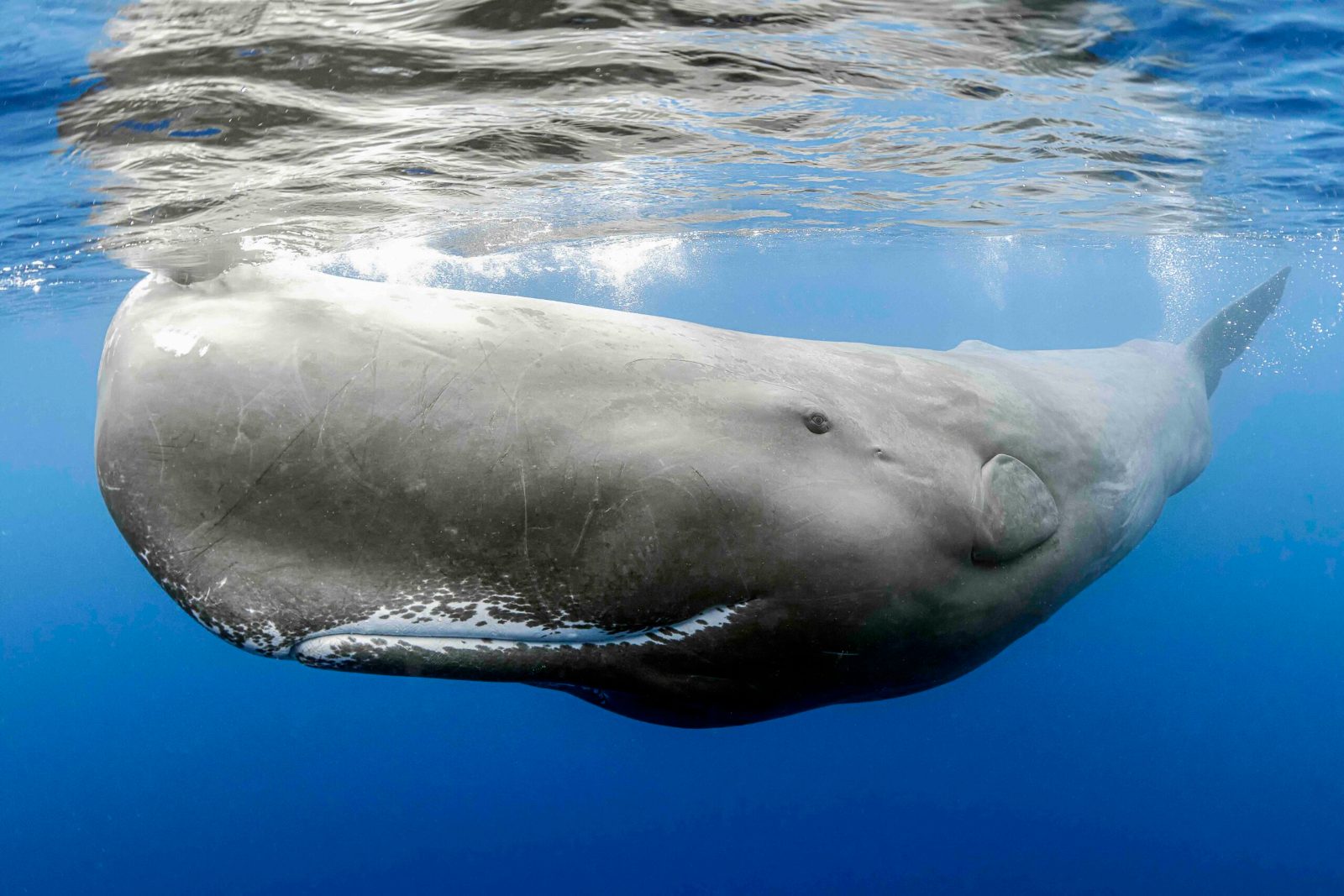
Dominica is one of the only places on Earth where sperm whales live year-round in coastal waters. The timing of your visit shapes visibility, sea conditions, and the likelihood of observing pods with calves. This guide breaks down what each season offers and when marine biologists recommend booking your departure.
Quick answer
Whale watching in Dominica operates year-round, with sperm whales present in the waters off Roseau every month. November through March is considered peak season, when calmer seas and higher visibility increase sighting rates to above ninety percent. April through October brings rougher Atlantic swells and occasional tropical weather, though whales remain active and tours continue daily. Most operators recommend morning departures between 09:00 and 13:30 for the best light and sea conditions.
Dominica sits directly above a deep submarine trench that brings nutrient-rich currents within three kilometers of the western coastline. Sperm whales hunt squid in these abyssal waters year-round, making the island one of the few destinations where cetacean sightings are not tied to migratory windows. Unlike humpback or gray whale populations that follow seasonal routes, the resident pod off Roseau remains in the same hunting grounds through every calendar month, a behavioral pattern documented by marine researchers since the early 1990s. The dominica whale watching season is often described as perpetual, but ocean conditions shift dramatically between the dry months and the Atlantic hurricane period. November through March delivers the calmest seas, with trade winds moderating swells and surface chop. Visibility during these months routinely exceeds twenty meters, and tour operators report encounter rates above ninety percent. February and March coincide with nursing season, when females with calves move closer to shore and surface intervals lengthen, offering extended observation windows. April marks the transition into rougher water, as spring swells build and afternoon squalls become common. May through October sees higher wave heights and reduced visibility, though sperm whales continue their hunting behavior regardless of surface turbulence. Cetacean behavior in Dominica centers on deep foraging dives that last forty to sixty minutes, followed by surface breathing periods of eight to twelve minutes. Pods typically number between six and nine individuals, with multi-generational groups including mature females, juveniles, and calves. The resident population uses echolocation clicks audible through hydrophones mounted on tour vessels, a technique that allows captains to track whales even when submerged. Morning departures align with the whales' post-dawn hunting cycle, when animals are most active near the continental shelf drop-off. Tours depart daily from Roseau Ferry Terminal regardless of season, though advance booking is essential during the peak window of December through February. Operators hold permits issued by the Dominica Fisheries Division, which enforces strict approach distances and no-touch protocols. The calm-water months attract the majority of international visitors, while the summer and early fall period offers lower booking pressure and the same year-round whale presence that defines the island's marine ecosystem.
“Sperm whales hunt squid in these abyssal waters year-round, making Dominica one of the few destinations where cetacean sightings are not tied to migratory windows.”
The Roseau Ferry Terminal maintains consistent operating hours throughout the year to support visitors arriving for whale watching activities. The facility is open daily to accommodate passenger traffic.
Access to the Roseau Ferry Terminal area for whale watching departures is provided at no cost. All expenses for maritime excursions are handled independently by private boat operators.
Verdict: There is no entrance fee for the terminal, though visitors must pay separate costs to private operators for whale watching boat tours.
The Roseau Ferry Terminal is located on the waterfront in the heart of Roseau, providing direct access to whale watching tour departures. Travelers can easily reach the terminal by local transport or on foot from major hotels in the capital.
Roseau city center to Ferry Terminal
From Roseau cruise ship terminal
Follow Dame Eugenia Charles Blvd to Ferry Terminal
For boat departures, the best arrival window is 09:00–13:30. Arriving during this period ensures sufficient time to coordinate with your private operator and check in before departure.
Book ahead and pack smart to make the most of your time on the water during whale watching season.
Everything you need to know about dominica whale watching season
The peak dominica whale watching season typically spans from November to March, though sperm whales reside in these waters year-round. Visiting during these months increases the likelihood of favorable sea conditions for spotting these majestic creatures.
Sperm whales are resident in Dominica's deep coastal waters throughout the year, making it one of the few places in the world to observe them in any month. While they are present constantly, the dominica whale watching season is generally marketed around optimal weather windows for boat excursions.
Visitors should coordinate with private boat operators who manage the logistics for sea expeditions departing from the capital. It is recommended to check the official site for licensed operators to ensure you are booking a regulated experience.
There is no entrance fee for the harbor area itself as entry is 0 USD. However, you must book a private tour with an independent operator, as costs for boat charters are separate from any land-side access.
For the most successful whale spotting experience, the best arrival window is between 09:00 and 13:30. This timeframe provides the most reliable boat departures and superior natural light conditions for observing cetaceans at sea.
Yes, besides sperm whales, sightings may include pilot whales, false killer whales, and various species of dolphins such as spotted or spinner dolphins. These encounters are common during the dominica whale watching season when exploring the Caribbean Sea deep drop-offs.
All tours depart from the Roseau Ferry Terminal located in the heart of the city. This central hub serves as the primary meeting point for maritime excursions and transit.
Participants should be prepared for time on the water and follow the guidance of their boat captain regarding safety protocols. Always verify your booking details directly with the operator prior to your visit to ensure a smooth boarding process.